The Septic Rule That Can Stall A Rural Crested Butte Closing
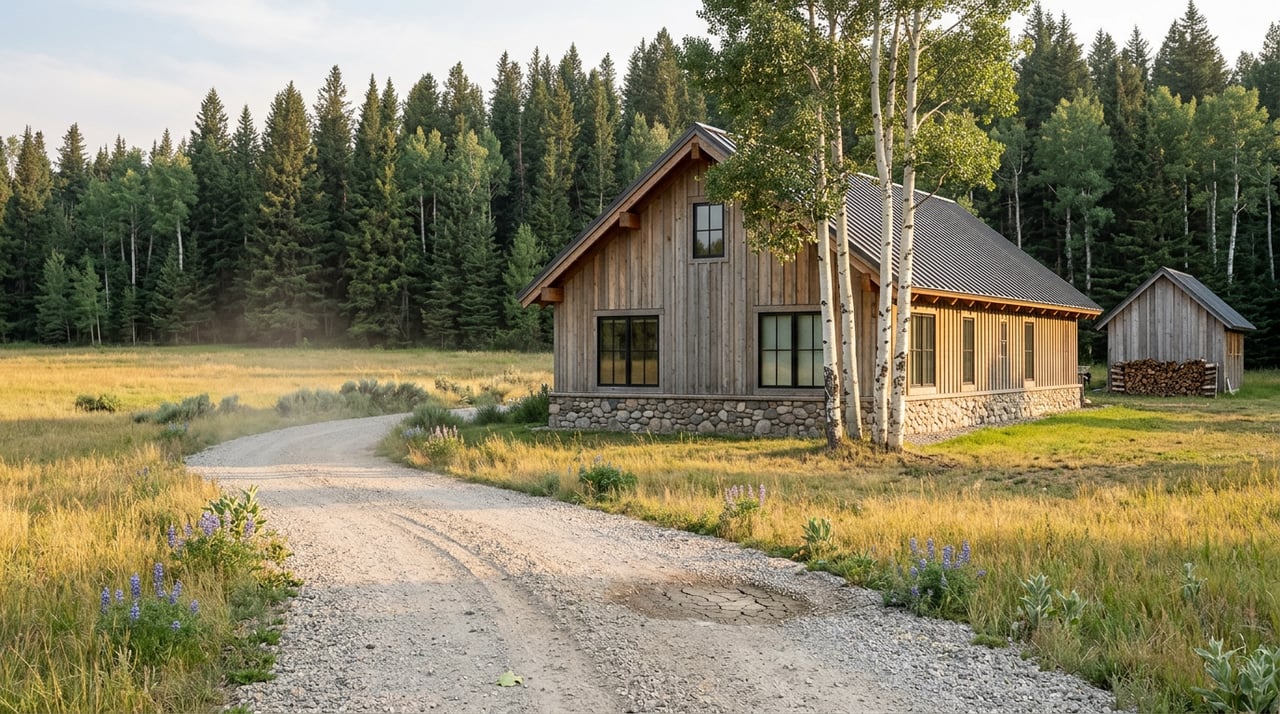
A seller in Meridian Lake Meadows lists in November. An out-of-state buyer falls for the views, writes a strong offer, and wants to close before Christmas. Then the county calls: the septic system needs a transfer-of-title inspection before the deed can record, the ground is already frozen, and the only inspector available for miles is booked into February.
This is not a hypothetical inconvenience. It is a documented feature of buying and selling in unincorporated Gunnison County, and it applies to nearly every property in Rural Crested Butte, because almost none of it sits inside town limits with access to municipal sewer. Skyland, Buckhorn Ranch, Meridian Lake Meadows, Red Mountain Ranch, Whetstone Mountain Ranch and the other large-acreage communities that make up this part of the valley all rely on private septic systems, which means all of them fall under a rule that most out-of-area buyers have never heard of and most generic real estate guides never mention.
Since 2019, Gunnison County has required a septic inspection and a county-issued acceptance document before a property with an on-site wastewater treatment system can legally change hands in the unincorporated areas of the county. The county's OWTS Permits page spells out the process: a licensed inspector certified through the National Association of Wastewater Technicians examines the tank, the distribution box and the drain field, files the report with the county, and the county issues the acceptance document that clears the way for closing.
The rule did not appear out of nowhere. Colorado's Water Quality Control Division adopted statewide OWTS standards in 2013 under what is known as Regulation 43, and gave counties a deadline to bring local rules into line. Gunnison County's environmental health staff spent 2018 building the case for a transfer-of-title requirement specifically because so many older systems in the county had never been inspected at all.
The strongest evidence for why this rule exists did not come from a spreadsheet. It came from what county staff found when they started looking.
"There are many systems in unincorporated Gunnison County that are not functioning effectively or may not exist... County staff have observed old truck beds, barrels, rock walls, metal tanks, and similarly inappropriate items used as septic tanks... as well as the complete absence of systems, where a pipe conveys waste into a ground or water source that allows the waste to disappear."
That is Crystal Lambert, the county's building and environmental health official, describing what her staff found during site visits before the rule went into effect, as reported in Crested Butte News in April 2018. It is worth sitting with, because it reframes the inspection requirement as something closer to a title search than a formality. A buyer closing on a rural property without one is buying an unknown, sometimes literally underground.
Local Realtors were part of that conversation from the start. Board chair Jaima Giles told the Gunnison Country Times that her association recognized septic inspections as an integral part of a sale process for rural properties, while still pressing county staff on how inspections would get done when snow and frozen ground make a drain field impossible to reach. That tension between public health and physical access is still baked into how the rule works today.
Here is where the mechanics matter, because they create real friction in a transaction:
None of this shows up on a listing sheet. It shows up in the week before closing, when someone realizes the timeline they built around a standard purchase contract did not leave room for a step the MLS never mentioned.
The rule is not entirely rigid, and the flexibility written into it is worth knowing before you assume the worst about your timeline. Lambert has said publicly that a buyer and seller can negotiate who pays for the inspection, so the cost does not have to default to whichever side has less leverage in a given deal. County staff also discussed allowing a buyer to document, in writing, that they are prepared to purchase a property with its septic system as is, and have it certified after closing rather than before.
Whether that specific option made it into the version Gunnison County ultimately adopted is exactly the kind of detail worth confirming directly with the county's Environmental Health office rather than assuming from an old planning document. The point is not that every deal has to stall over an inspection. It is that the flexibility exists, and most out-of-state buyers do not know to ask for it until they are already stuck.
Septic is only half the diligence rural buyers underestimate. The other half is water, and Colorado treats it as a separate category of property from the land itself.
Most Rural Crested Butte parcels rely on private wells rather than a central water system, and what a well permit actually allows depends heavily on lot size:
| Parcel size | Permit type | What it allows |
|---|---|---|
| Under 35 acres | Household use only | Water for the residence only. No garden irrigation, no livestock watering, no exterior use. |
| 35 acres or more | Domestic use | Household water plus limited irrigation and animal watering. |
This distinction matters most in the Ranch communities, where parcels routinely clear the 35-acre threshold and buyers often assume that acreage comes with unrestricted water use. It does not automatically. Some areas of the county also require a court-approved augmentation plan before a new well permit will be issued at all, a step that can add real time to a build-ready lot purchase if it has not already been resolved by a previous owner.
The practical move for a buyer is simple: before writing an offer on anything without an existing, verified well, confirm the permit category the parcel supports and whether an augmentation plan is already in place. The Colorado Division of Water Resources maintains the permit records, and a permit number from the seller is the fastest way to verify what you are actually buying.
None of this is a reason to avoid Rural Crested Butte. It is a reason to build the timeline differently than a buyer coming from a market with municipal utilities would expect. Sellers who order their septic inspection before listing, rather than waiting for a buyer's request, remove the single most common source of delay in these transactions. Buyers who ask for the well permit number and the most recent septic inspection report during the showing, not during due diligence, negotiate from a position of knowing what they are actually offering on.
This is exactly the kind of local mechanic that separates a smooth rural closing from one that drags into a second season. It rarely shows up in a listing description, and it never shows up in a median price.
Does every Rural Crested Butte property need this inspection? Any property in unincorporated Gunnison County served by a septic system needs it at transfer of title, unless it qualifies for one of the exemptions for newly built or recently repaired systems, or transfers through death or foreclosure.
What happens if I need to close in the middle of winter? You can request a conditional acceptance if snow or frozen ground prevents inspection, but it requires prepaying for the inspection and committing to complete it once conditions allow. This needs to be built into the contract, not assumed.
Is a 35-acre parcel guaranteed a domestic-use well permit? It qualifies for that broader permit category, but qualifying and having an active, verified permit are different things. Always confirm the specific permit number and its terms before assuming a lot's water rights match its acreage.
If you are weighing a purchase or a sale anywhere in Rural Crested Butte, from Skyland to the Ranch communities further south, these are exactly the kind of details we walk clients through before an offer ever goes in. Crested Butte Homes has spent years working through Gunnison County's permitting process alongside buyers and sellers who did not know to ask about it until it was already slowing them down. Request a Free Home Valuation and we will tell you, plainly, what your property's septic and water history means for your timeline.
Stay up to date on the latest real estate trends.

Bringing buyers and sellers together for 25 years