How Ski Season Impacts Real Estate in Crested Butte
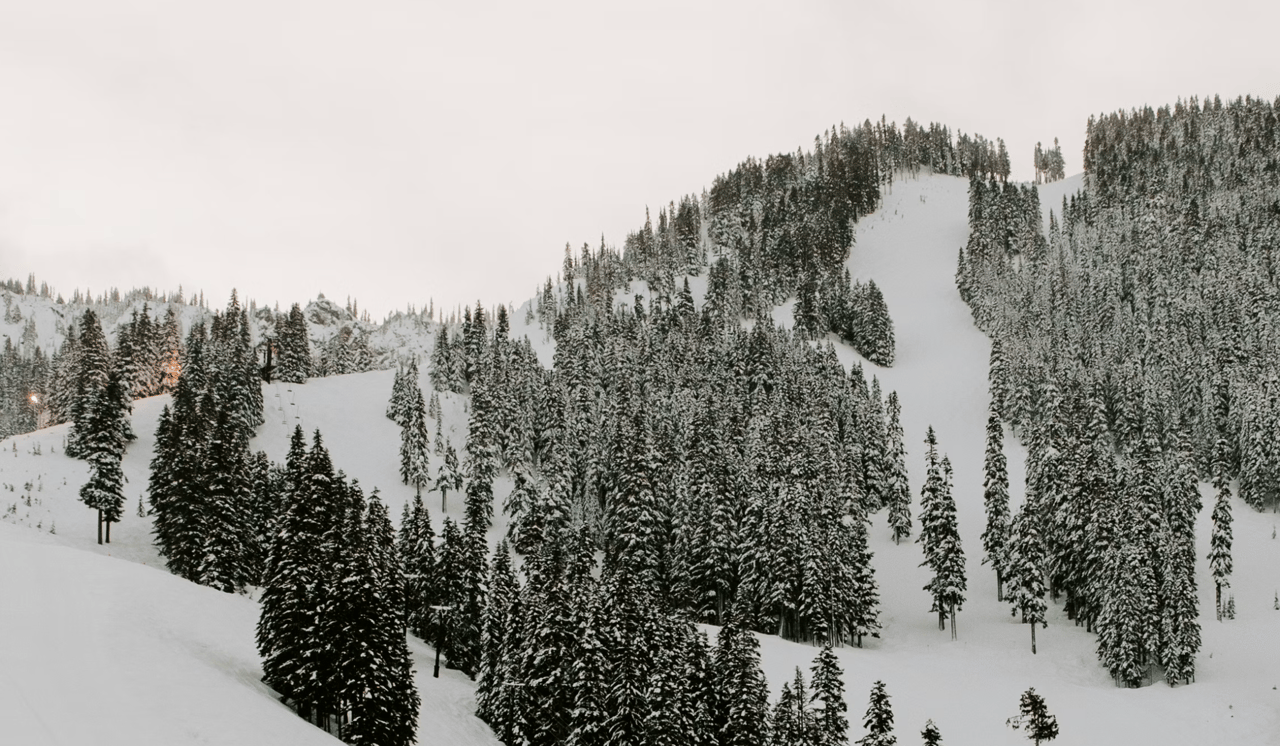
In Crested Butte, ski season isn’t just about powder and après dinners — it’s a real estate season that drives buyer interest, inventory dynamics, and local economic activity. This year, we’ve seen a slow start to the season, with snow totals and visitor activity running below what many locals and buyers typically expect — and that has real implications for the market here.
As of early January 2026, Crested Butte Mountain Resort’s official reports show around 45″ of snow for the season with a base depth near 24″ — far below the area’s long‑term averages. Broader regional data places Crested Butte snow totals on the lower end compared to other Colorado resorts this season as well.
This slow start is notable because consistent early‑season snow typically boosts both visitor confidence and ski traffic — and indirectly, real estate interest.
Ski conditions are a big driver for visitors and second‑home buyers. When snow comes early and abundant, travelers plan trips, often combining ski weekends with real estate viewings. A lean start means fewer reservations and less valley activity overall, a trend local tourism leaders have linked directly to softer visitor numbers early this year.
That slow ski season rhythm can translate to slower real estate activity, especially in January and early February — traditionally strong months for buyers from out of state.
In many resort markets, ski season brings a flurry of listings as sellers take advantage of buyer traffic. But with lower activity so far this winter, inventory remains low, keeping a bit more balance in the market. Even with a seasonal slowdown, buyers remain active — there simply aren’t many homes to choose from, and prices continue to hold steady. We may see this change as we venture further into winter and sellers start to feel the pressure to re-evaluate pricing.
Not all buyers are powder chasers — many are lifestyle buyers drawn to Crested Butte’s community, scenery, and outdoor culture year‑round. These buyers tend to be less sensitive to short‑term weather patterns and more focused on long‑term living or vacation plans.
For Buyers: A slow snow start can feel discouraging, but it can actually create less competition for thoughtfully priced homes. Properties that are well‑positioned continue to attract serious interest even in softer ski conditions.
For Sellers: Market fundamentals — inventory scarcity and strong pricing — have remained resilient despite fewer visitors and slower snow buildup. Ski season conditions matter, but the local market has depth and demand that extends beyond day‑to‑day snow totals.
For Investors: Short‑term rental owners know that peak ski weeks still draw strong demand, even if total storm cycles lag. Staying nimble with pricing and availability can capture those high‑interest booking windows when they occur.
One cautious but optimistic observation this year: while the early part of the ski season has been slower than usual, forecasts and mid‑season patterns can still change quickly — and Desirable snow certainly still has the potential to arrive and invigorate both tourism and buyer interest.
Whether this winter turns into a classic Crested Butte powder year or simply delivers seasonal consistency, the key real estate takeaway is that long‑term desirability and market fundamentals matter most. Buyers and sellers here tend to look past short‑term weather swings because Crested Butte’s lifestyle and investment appeal run year‑round — and that’s what keeps this market strong even when the season starts slow.
Stay up to date on the latest real estate trends.

Bringing buyers and sellers together for 25 years