Buying a Home in Winter? Here’s What to Watch For
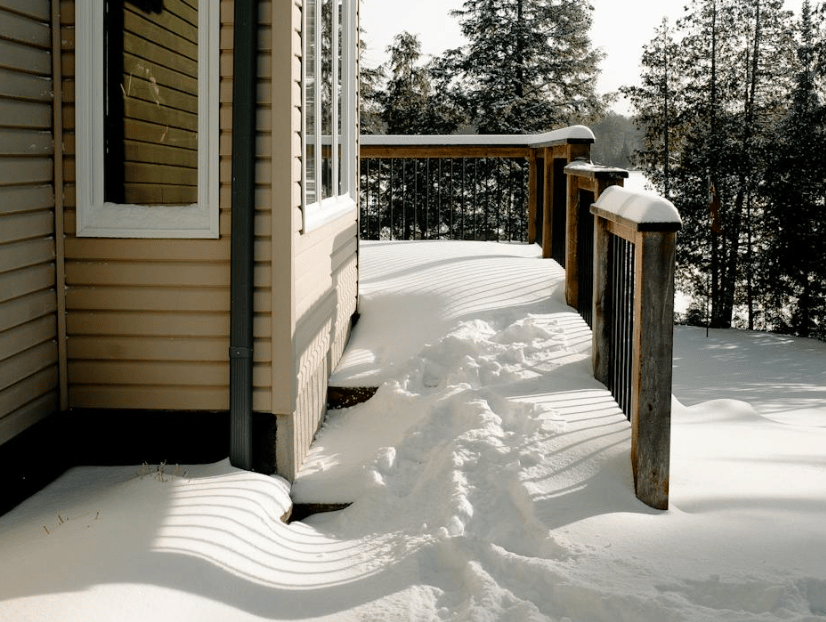
Winter showings in Crested Butte are a different experience entirely. Snowbanks are high, roofs are loaded, driveways are slick, and that dreamy mountain cabin can look extra magical under a fresh blanket of powder. But winter beauty can also hide important details.
If you’re shopping for a home this time of year, here’s what buyers tend to notice first — and what you should be paying close attention to when everything is covered in snow.
Before buyers even step inside, they’re evaluating how easy it is to live there in winter.
Is the driveway steep?
Is it south-facing (does it get sun)?
Is there room for snow storage?
Who handles plowing — HOA or private?
Can guests park safely?
In mountain towns at 9,000 feet, winter access isn’t just a convenience — it’s a lifestyle factor. A home that feels effortless to reach in February will feel even better long term.
You may not see shingles under snow, but you can still learn a lot by looking up.
Are there snow guards in place?
Are there signs of uneven snow melt?
Where will snow shed when it slides? Onto decks? Walkways? Driveways?
Are gutters designed for heavy snow loads?
Icicles and ice dams can signal insulation or ventilation issues. Even in a pristine-looking home, winter tells a story if you know how to read it.
February days are bright here — but short, especially in town. Buyers immediately notice how light moves through a home in winter.
Are the main living spaces oriented toward sun?
Does snow reflection enhance natural light?
Are there dark corners that might feel long in winter months?
A home that feels warm and bright in February is a strong sign of good orientation and thoughtful design.
Winter is actually one of the best times to evaluate how a home performs.
What type of heat does it use (in-floor radiant, forced air, baseboard)?
Are floors warm?
Is the home evenly heated?
How old is the boiler or furnace?
You’re experiencing the home during peak demand. That’s valuable insight you simply don’t get during summer showings.
Snow can hide a lot — landscaping, drainage patterns, exterior wear, even grading issues.
When evaluating a snow-covered property, consider:
Asking for summer photos
Reviewing past inspection reports (if available)
Checking how water drains in spring runoff
Understanding where snow naturally accumulates
In Crested Butte, spring melt is just as important as winter accumulation. A home that manages both well is a solid investment.
Winter also reveals how a neighborhood functions.
Are roads well maintained?
Are neighboring homes occupied or mostly dark?
Is there consistent snow removal?
How close are you to bus stops or ski access?
Sometimes winter gives you a more honest snapshot of day-to-day livability than summer ever could.
While snow can hide cosmetic details, it highlights performance. If a home feels comfortable, accessible, and well-managed in February, that’s a strong indicator of year-round livability.
And in a market like Crested Butte, winter buyers are often serious buyers — which can mean less competition and more thoughtful negotiations.
If you’re considering a purchase this season, we're always happy to walk properties with you and point out the mountain-specific details that matter most. Winter here isn’t a drawback — it’s an opportunity to see how a home truly lives.
Stay up to date on the latest real estate trends.

Bringing buyers and sellers together for 25 years