Condo Vs. Townhome In Mt. Crested Butte: Key Differences
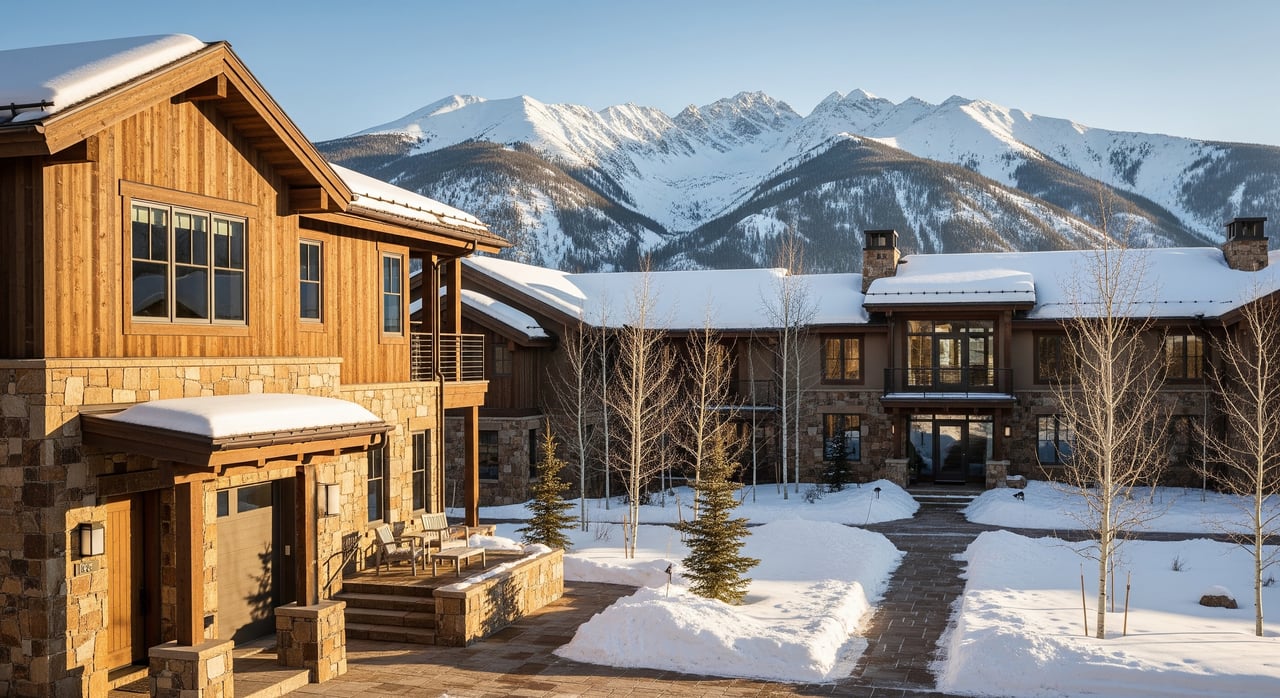
Dreaming of a place near the lifts but not sure whether a condo or a townhome fits you best? In Mount Crested Butte, the choice affects your maintenance duties, insurance, ski-day convenience, rental options, and long-term costs. You want a home base that matches how you plan to use it and what you want to manage. This guide breaks down the key differences so you can choose with confidence. Let’s dive in.
In a typical Colorado condo, you own the interior of your unit and a share of the common elements through the HOA. The HOA governs the building and common spaces under the Colorado Common Interest Ownership Act. In many cases, the HOA handles the exterior, roof, and shared areas.
In a townhome, you often own the structure and the parcel beneath it in fee simple. Some projects are set up as Planned Unit Developments, while others may still be legally condominiums. The project’s declaration and plat decide what is common versus owner responsibility. Always confirm whether the land and roof are deeded to you.
Condo owners typically carry HO-6 coverage for interior walls, finishes, and personal property. The HOA’s master policy usually covers the building shell and common areas, but the scope varies. Ask if the master policy is “bare walls” or “all-in,” and note the deductible.
Townhome owners usually need HO-3 coverage because they own the structure and land. Lenders may treat fee-simple townhomes more like single-family homes. For any property, your lender will review the HOA’s financial health, insurance, and rental rules.
Condo HOAs often cover exterior and structural work, roofing, hallway and lobby upkeep, elevators, landscaping, snow removal for common areas, parking management, master insurance, and shared amenities. Many also include some utilities. This can lower your personal maintenance workload, but dues can be higher to fund these services.
Townhome associations in this market can range from minimal services to near-condo levels of coverage. Some handle roads, common landscaping, and snow removal only. Others include exterior painting and roof care. The only way to know is to read the declaration and the current budget.
Many condos cluster near the base area, close to the gondola and lifts. You often get the shortest walk, shared gear storage, and on-site amenities. If you value stepping out the door and getting on the mountain, a condo can be hard to beat.
Townhomes tend to offer more square footage, private entries, and practical features like garages and mudrooms. That extra space makes life easier for families, longer stays, and multiple seasons of gear. Some townhomes sit within a short walk or shuttle ride of the lifts, while others are a quick drive.
In winter, you likely care most about quick lift access, snow removal, heated entries, and ski storage. In summer and shoulder seasons, outdoor space, bike storage, and trail access take the lead. Think about which season you will use most and choose features that support it.
Short-term rental demand here peaks in the ski season and again in summer. Condos close to the lifts often earn strong occupancy for short stays because convenience sells. Townhomes usually attract families or groups and can perform well on longer stays or higher nightly rates, especially with garages and larger kitchens.
Local regulations and HOA rules determine if short-term rentals are allowed. Confirm permits, occupancy caps, registration steps, taxes, and any HOA rental fees or forms. Even if a town or county allows STRs, your HOA may have its own limits. Avoid assumptions by reviewing the current rules and speaking with the HOA manager.
Mountain properties face snow load, wind, wildfire exposure, and the need for reliable winter access. Review building maintenance histories, roof and drainage details, and snow plow agreements. Understand where HOA responsibilities end and where yours begin.
You will likely prefer a condo near the base area. You get shared services, amenities, and minimal day-to-day upkeep. Just account for HOA dues and confirm storage and parking that match your routine.
A townhome often wins for multi-week stays or larger groups. Private garages, mudrooms, and extra storage make transitions between seasons easier. You may be a bit farther from the lift, but your daily rhythm can feel smoother.
Owners who want control and long-term cost predictability often favor a fee-simple townhome. Monthly dues may be lower depending on services, but you take on more exterior responsibilities. Confirm internet reliability, winter access, and parking rules.
If you target short-stay, high-occupancy ski trips, base-area condos can shine. If you want family groups or longer summer bookings, roomier townhomes are compelling. In all cases, review HOA health, reserve funding, and shifting STR rules before you buy.
Your best fit comes down to how you live and how much responsibility you want to carry. Condos tend to win on proximity and simplicity. Townhomes tend to win on space, privacy, and control. The right choice is the one that matches your season of life, your budget, and your plans for use.
If you want a local, boots-on-the-ground perspective on specific buildings, HOAs, and micro-neighborhood tradeoffs, let’s talk. Reach out to Gary Huresky for guidance tailored to how you plan to use your Mount Crested Butte home.
Stay up to date on the latest real estate trends.
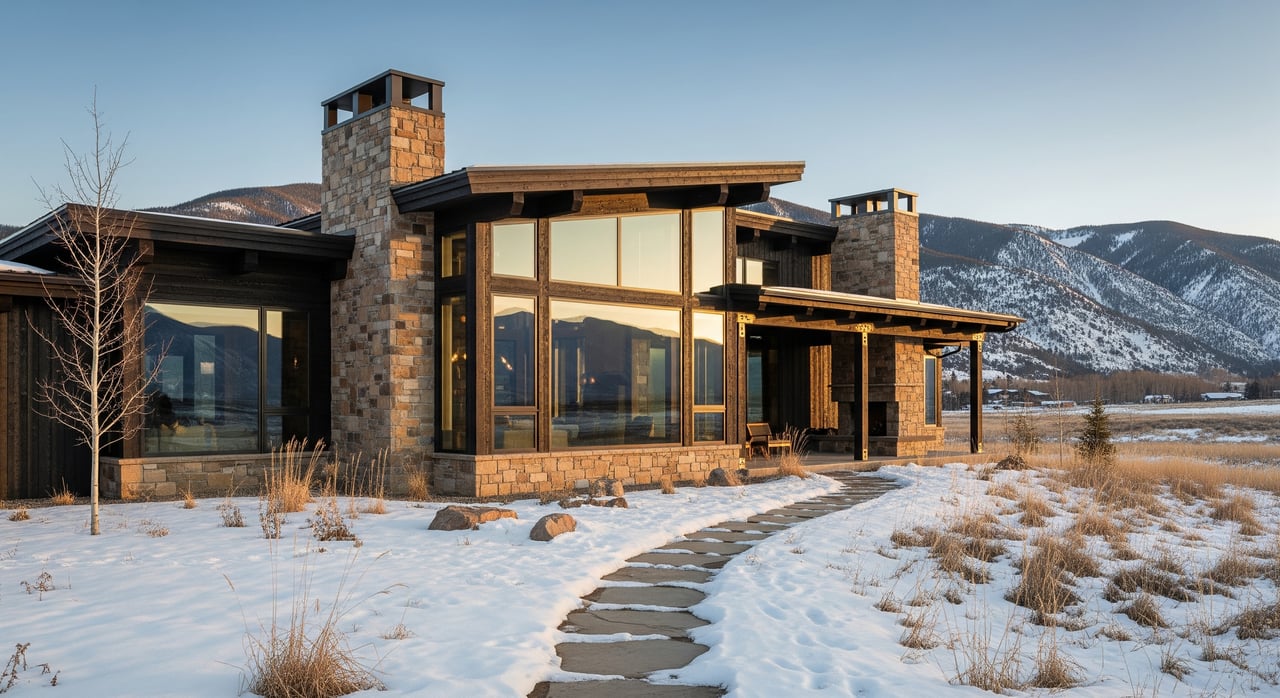
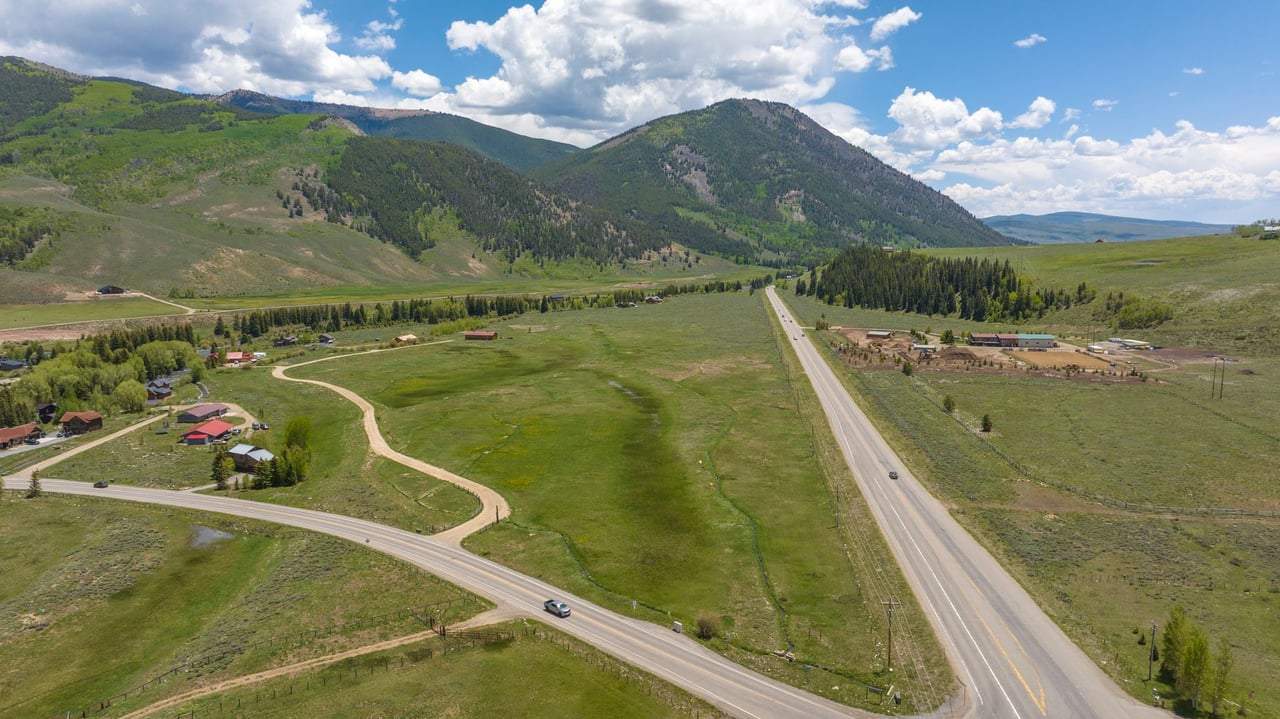
Development or Conservation Opportunity Near Crested Butte
Explore homes in the heart of Colorado’s most sought-after resort destinations
See how the market performed in Q1 in Crested Butte
Find out how the market performed in Q4 of 2024 in Crested Butte
Find out how the market performed in Q3 of 2024 in Crested Butte
Essential Maintenance Tips As We Approach the Winter Season
Leaf Peeping Season is Just Around the Corner
Bringing buyers and sellers together for 25 years